The True Cost of Substandard Protein: Identifying Soya-Meal Overuse and Bone Ash Adulteration
The Protein Quality Deception
A laboratory Dumas test measures Total Nitrogen to calculate Crude Protein ($$CP = N \times 6.25$$). Unscrupulous feed compounders exploit this by adding high-nitrogen non-protein fillers or excessively unrefined poultry feather meal that fish digestive enzymes cannot break down.
1. The Anti-Nutritional Factors in Raw Soy
Raw or under-toasted soybean meal contains trypsin inhibitors that block protein breakdown in catfish stomachs. Feeding this induces severe gut inflammation, stunted growth, and loose watery feces that foul the water.
2. Excess Ash and Bone Scrapings
Quality feeds maintain ash levels below 9%. When ash exceeds 13%, it indicates excessive bone scrapings and sand fillers, displacing vital digestible energy and causing sluggish feeding behavior.
HAVE A FISH FARMING QUESTION?
Our technical biologists and pond managers assist farmers with water quality analysis and stocking setups.
Related Insights
All Articles →
Offtake Contract Structures: Negotiating Guaranteed Harvest Purchases with Institutional Buyers
Never stock a fingerling without knowing who will buy the harvest. How to draft bilateral offtake contracts with frozen food distributors, canning plants, and supermarket networks.
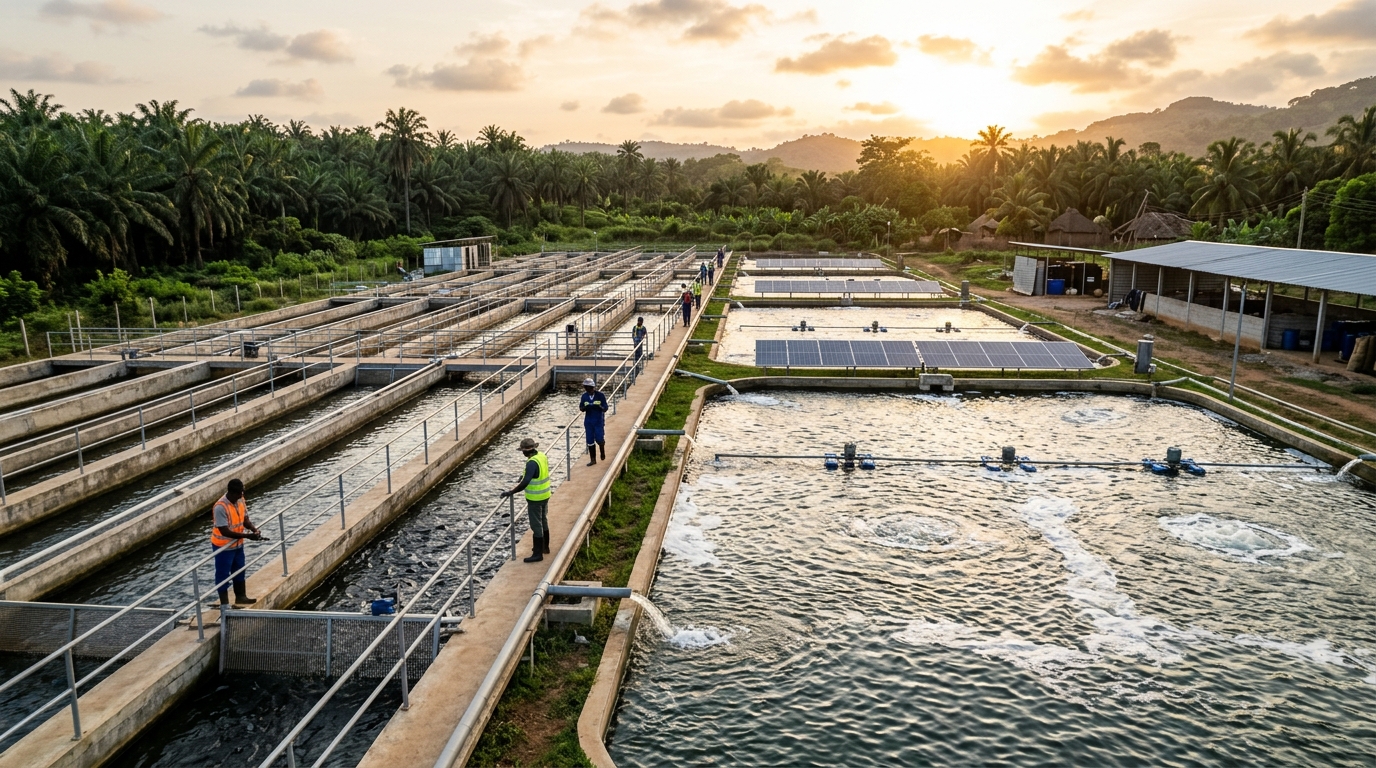
Pond Disinfection & Fallowing Science: Effective Chemical Sterilization and Sun-Baking Cycles
Skipping the mandatory between-cycle drying phase guarantees disease transmission to your next fingerling batch. Here is the complete post-harvest sanitation protocol.
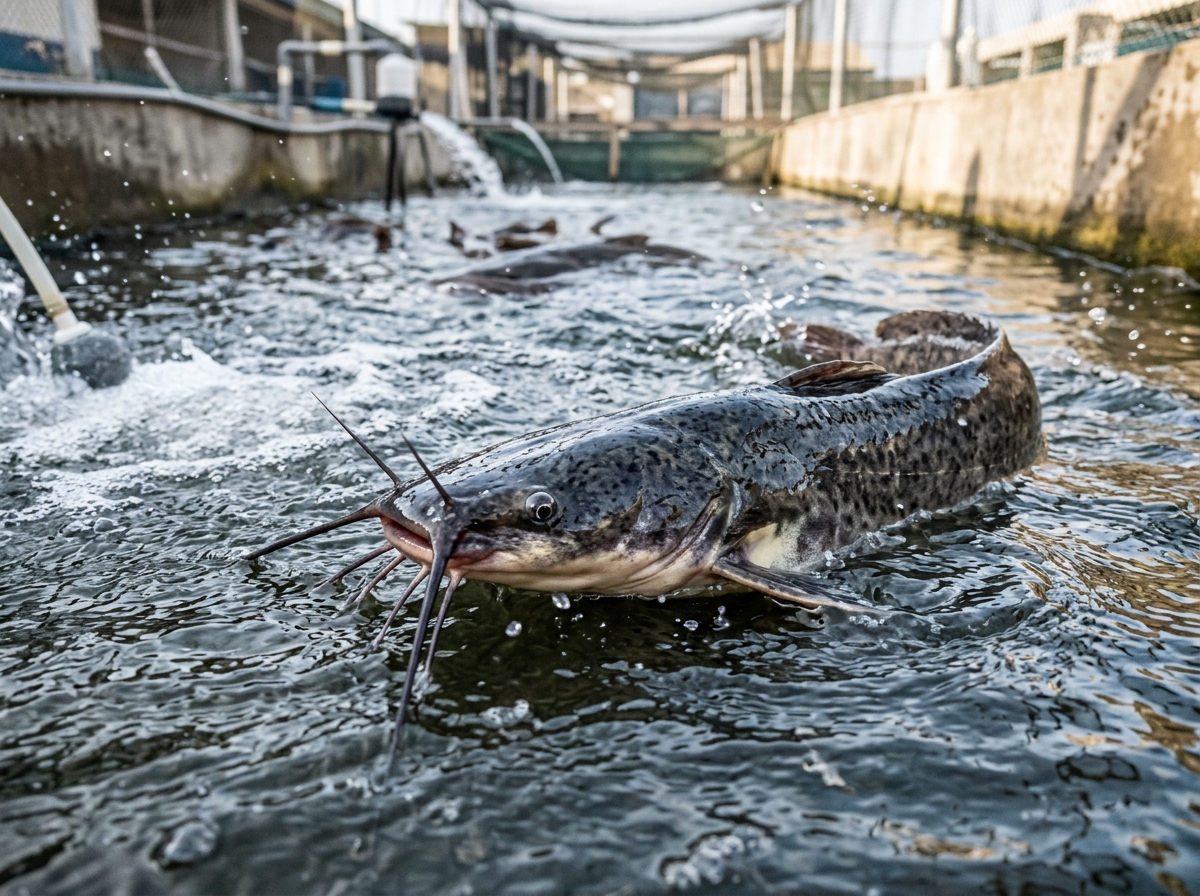
On-Farm Feed Storage Science: Preventing Mycotoxins, Aflatoxins, and Rancid Fat Degradation
Storing feed on damp concrete floors in tropical heat triggers invisible Aspergillus flavus fungal growth within 10 days. Protect your investment with palletized, ventilated feed rooms.