
Standardizing Biosecurity: International HACCP & GlobalGAP Frameworks Adapted for Commercial Ponds
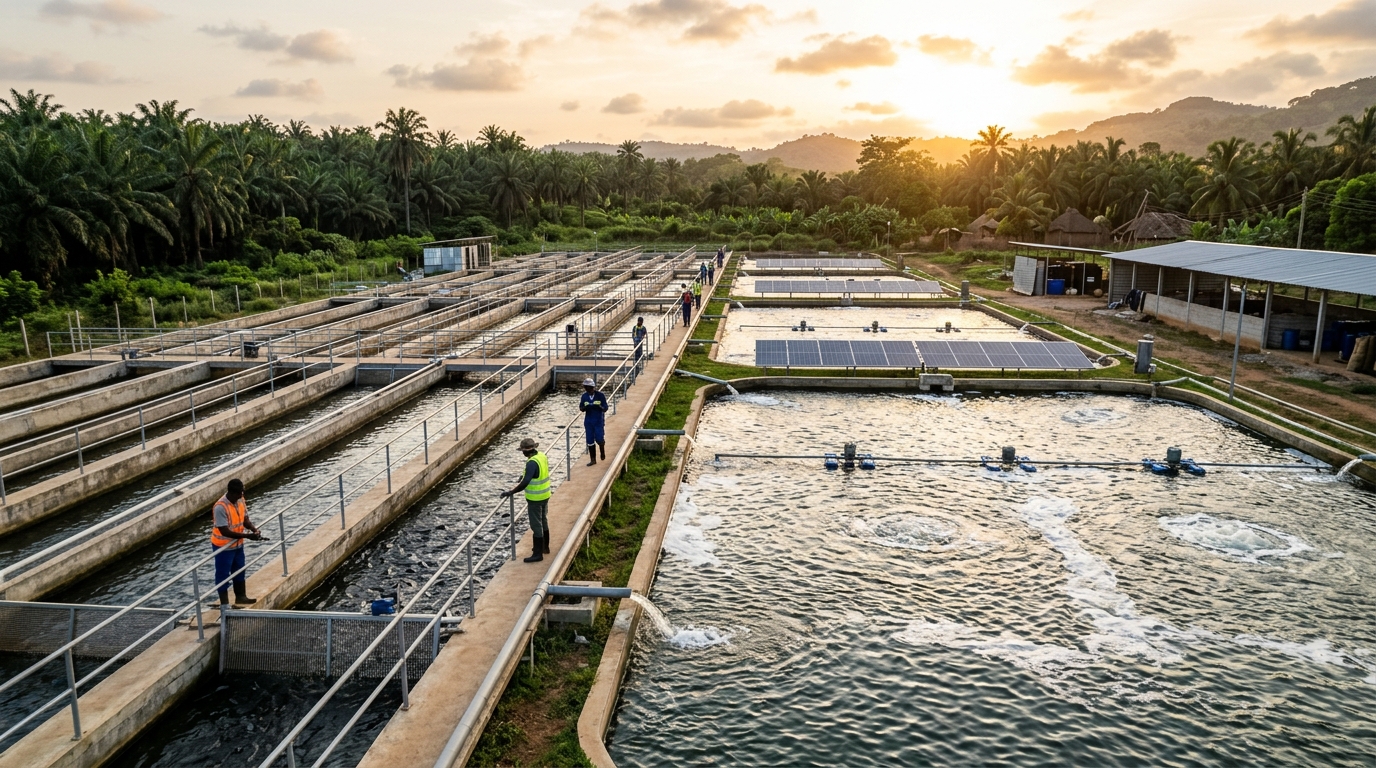
Eliminating Chemical and Pathogenic Contaminants
Global export markets have zero tolerance for unapproved veterinary residues, chloramphenicol, or heavy metal contamination. To achieve export clearance, a commercial facility must implement certified Critical Control Points (CCPs).
Critical Control Points in African Catfish Rearing
- CCP 1: Water Intake Filtration: Physical micron screening and UV sterilization to eradicate wild fry and parasite vectors.
- CCP 2: Feed Storage & Aflatoxin Monitoring: Keeping feed storage rooms below 65% relative humidity to halt Aspergillus mold development.
- CCP 3: Harvest Depuration: Holding market-ready fish in clean, circulating spring water for 48 hours prior to slaughter to evacuate digestive tracts.
HAVE A FISH FARMING QUESTION?
Our technical biologists and pond managers assist farmers with water quality analysis and stocking setups.
Related Insights
All Articles →
Offtake Contract Structures: Negotiating Guaranteed Harvest Purchases with Institutional Buyers
Never stock a fingerling without knowing who will buy the harvest. How to draft bilateral offtake contracts with frozen food distributors, canning plants, and supermarket networks.
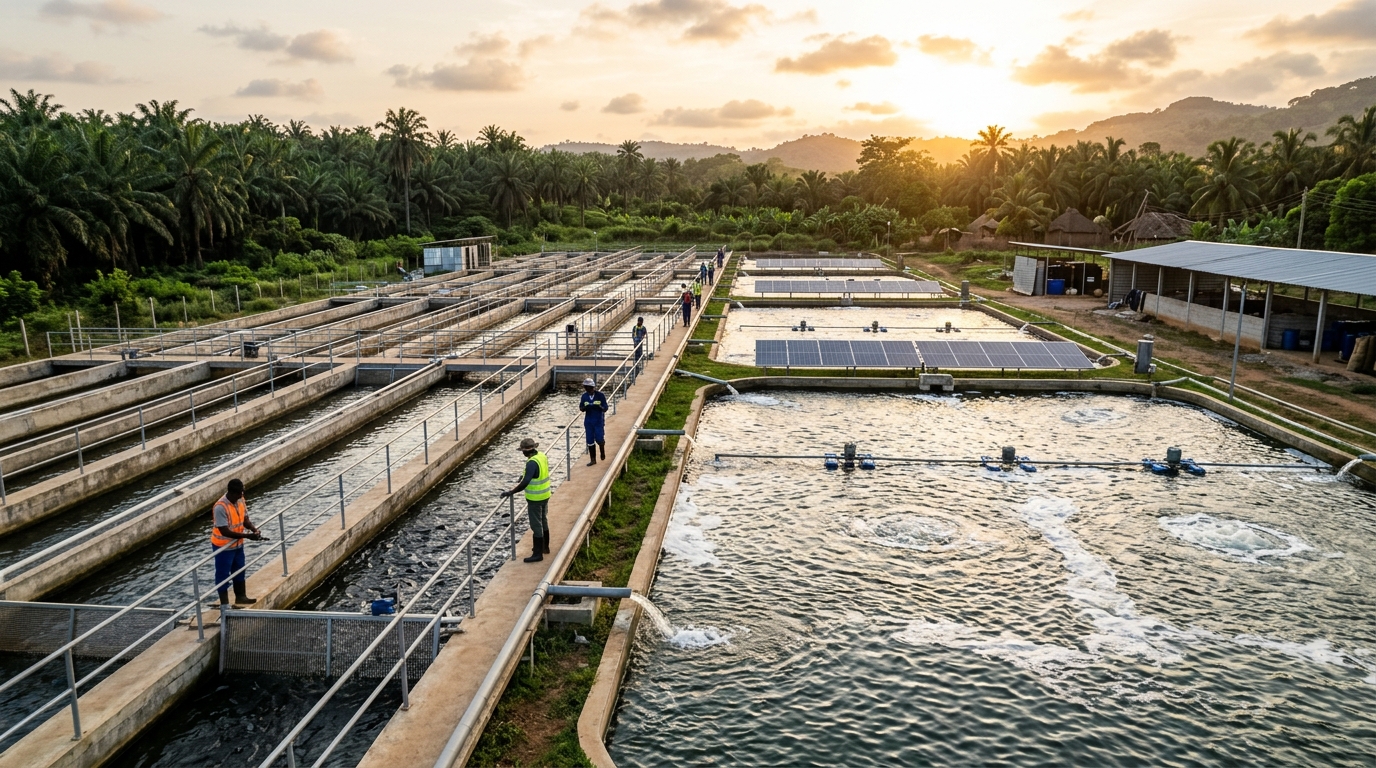
Pond Disinfection & Fallowing Science: Effective Chemical Sterilization and Sun-Baking Cycles
Skipping the mandatory between-cycle drying phase guarantees disease transmission to your next fingerling batch. Here is the complete post-harvest sanitation protocol.
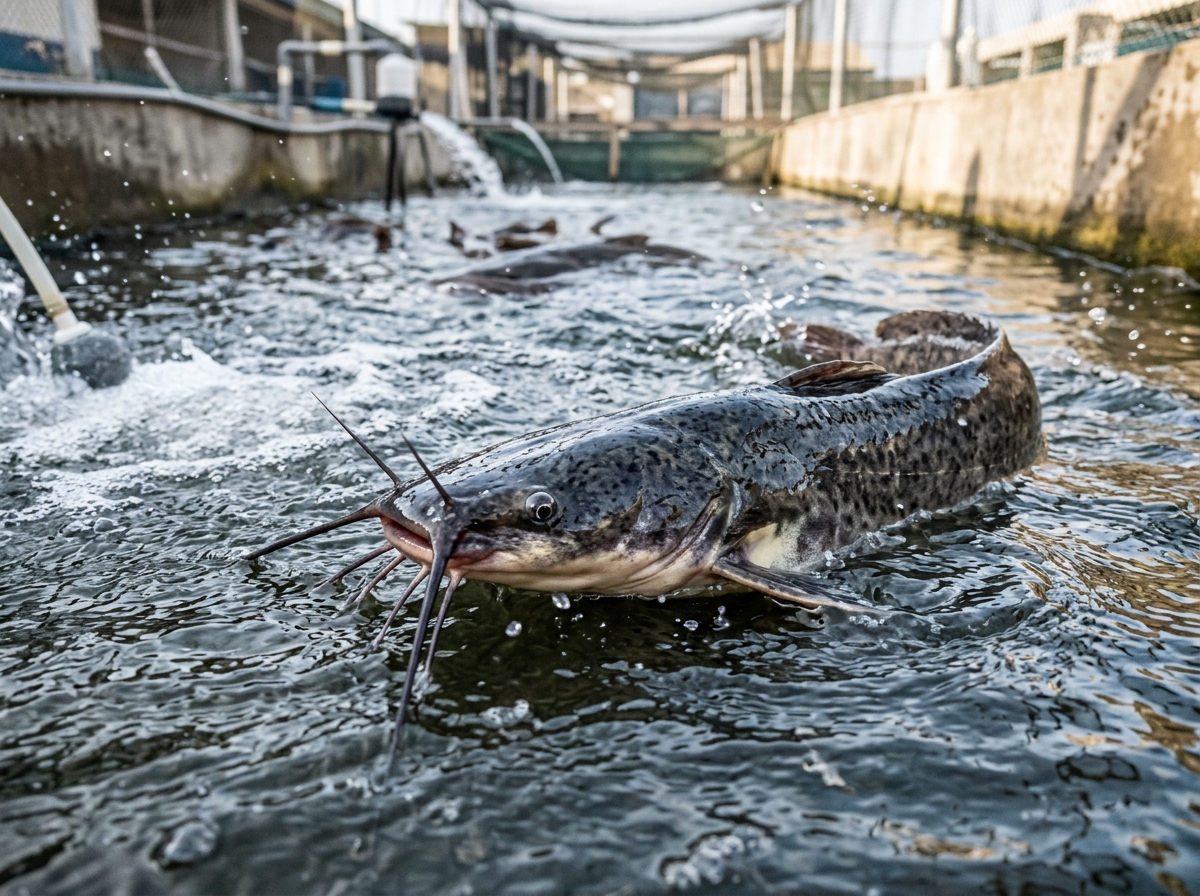
On-Farm Feed Storage Science: Preventing Mycotoxins, Aflatoxins, and Rancid Fat Degradation
Storing feed on damp concrete floors in tropical heat triggers invisible Aspergillus flavus fungal growth within 10 days. Protect your investment with palletized, ventilated feed rooms.