
Sizing Nursery Tanks: Managing Stocking Densities and Grading Schedules to Stop Cannibalism
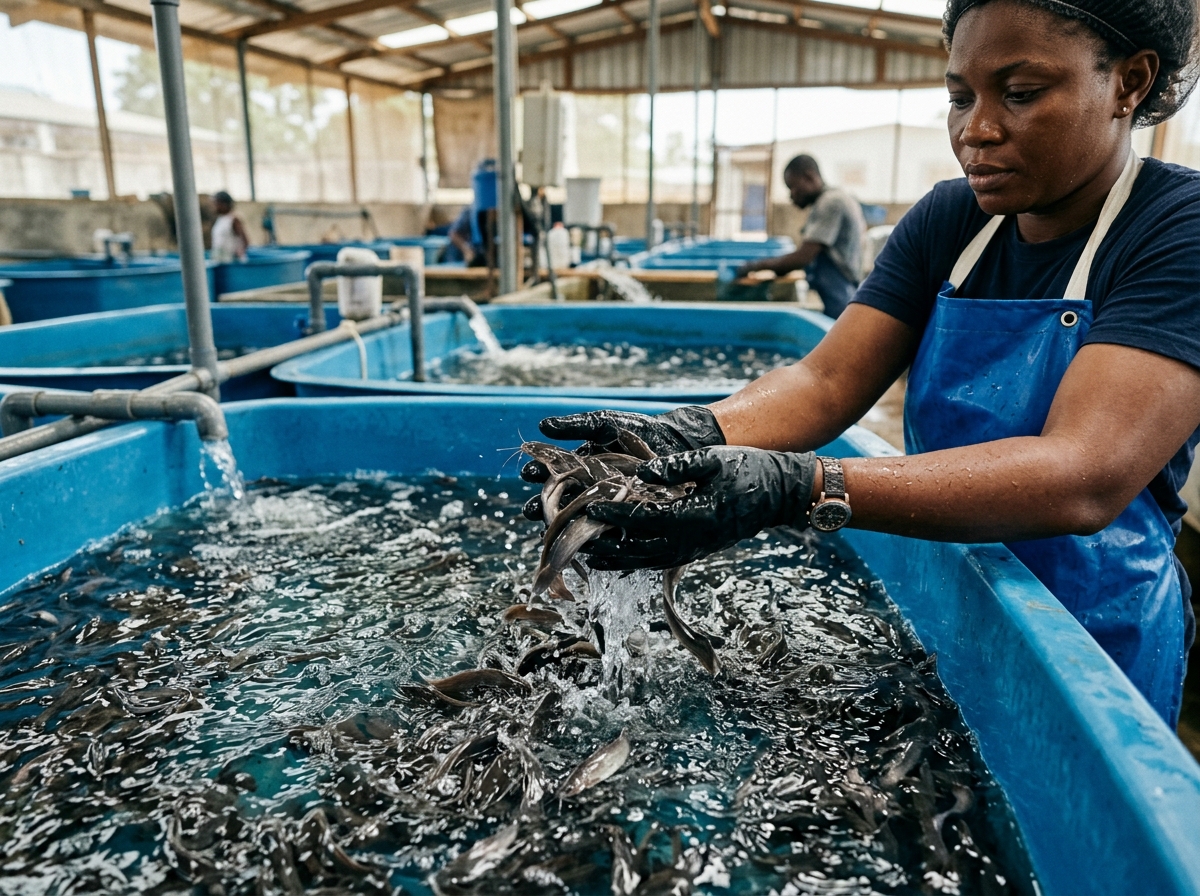
The Silent Harvest of the "Shooters"
In any batch of catfish fry, 5% will grow twice as fast as their siblings due to aggressive feeding genetics. If left unsorted, these large individuals ("shooters") consume smaller fish whole, leading to alarming batch count shrinkages.
The Rigorous 14-Day Grading Rhythm
- Day 1 to 14: Stock 2,000 fingerlings (4cm) per 1,000-liter circular nursery tank with continuous aeration.
- Day 15: Drain water to 10cm, pass stock through graded perforated sorting screens (mesh sizes 6mm, 8mm, 10mm).
- Segregation: Divide the population into three separate tanks: Shooters (Alpha), Medium (Beta), and Smaller (Gamma).
- By feeding each group feed pellets precisely matched to their mouth gape, cannibalism drops from 35% down to under 2%.
HAVE A FISH FARMING QUESTION?
Our technical biologists and pond managers assist farmers with water quality analysis and stocking setups.
Related Insights
All Articles →
Offtake Contract Structures: Negotiating Guaranteed Harvest Purchases with Institutional Buyers
Never stock a fingerling without knowing who will buy the harvest. How to draft bilateral offtake contracts with frozen food distributors, canning plants, and supermarket networks.
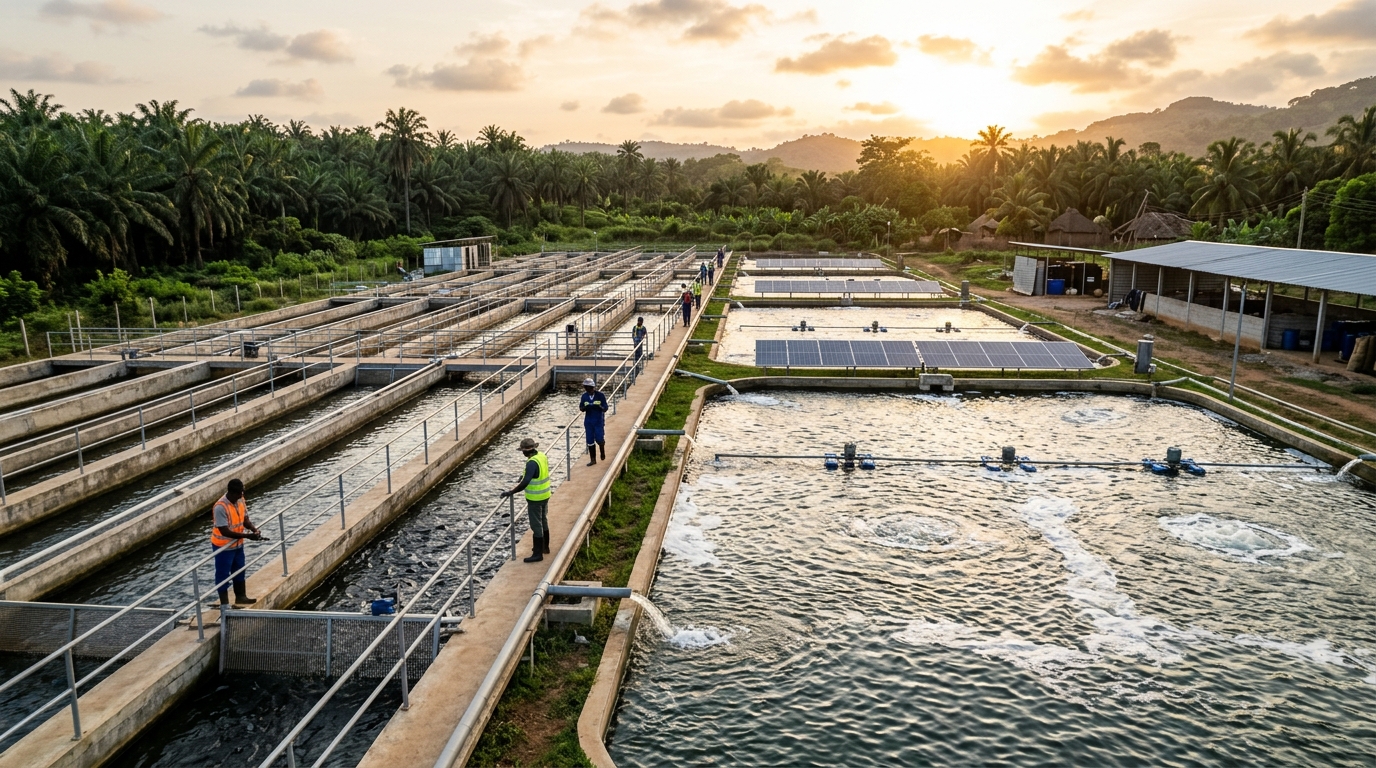
Pond Disinfection & Fallowing Science: Effective Chemical Sterilization and Sun-Baking Cycles
Skipping the mandatory between-cycle drying phase guarantees disease transmission to your next fingerling batch. Here is the complete post-harvest sanitation protocol.
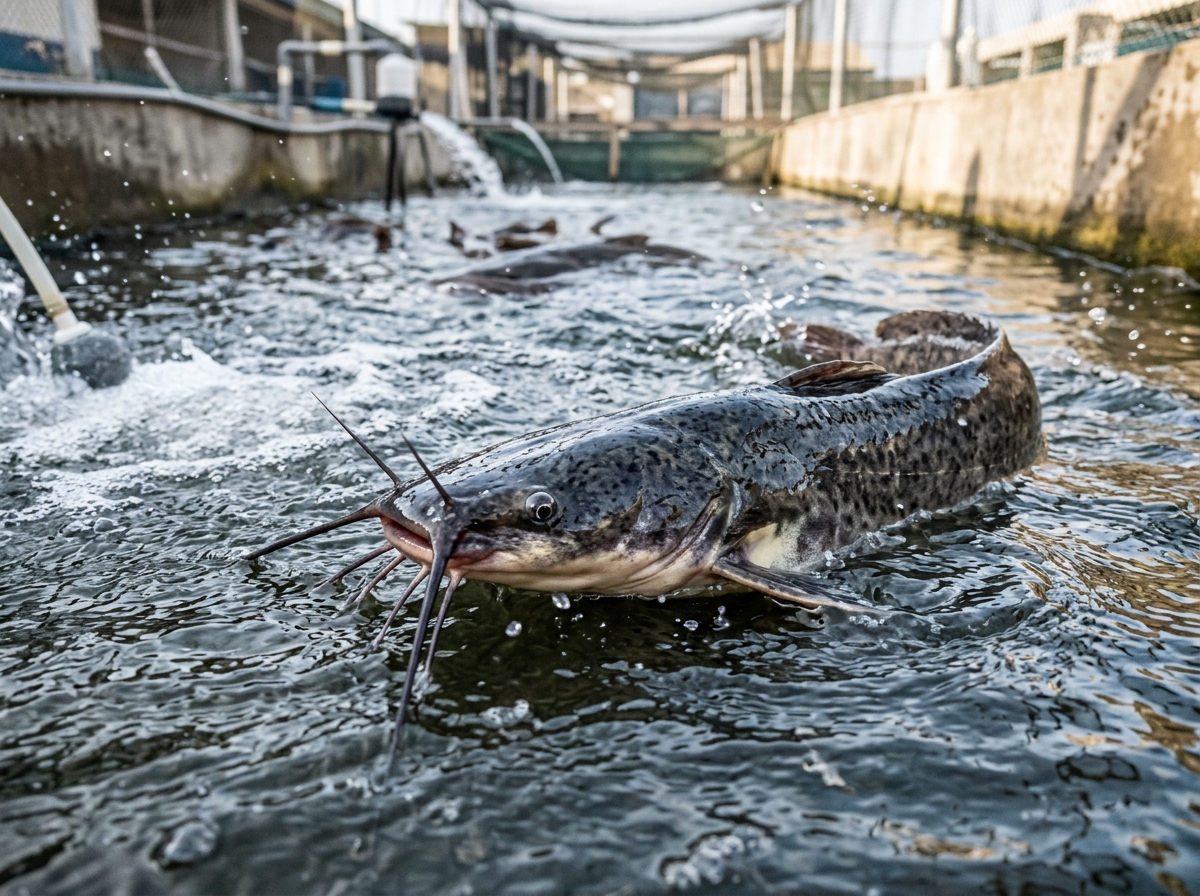
On-Farm Feed Storage Science: Preventing Mycotoxins, Aflatoxins, and Rancid Fat Degradation
Storing feed on damp concrete floors in tropical heat triggers invisible Aspergillus flavus fungal growth within 10 days. Protect your investment with palletized, ventilated feed rooms.